


Gillian Knows Best Pigneto neighborhood guide
15 addresses for street art, catacombs, and spritzes

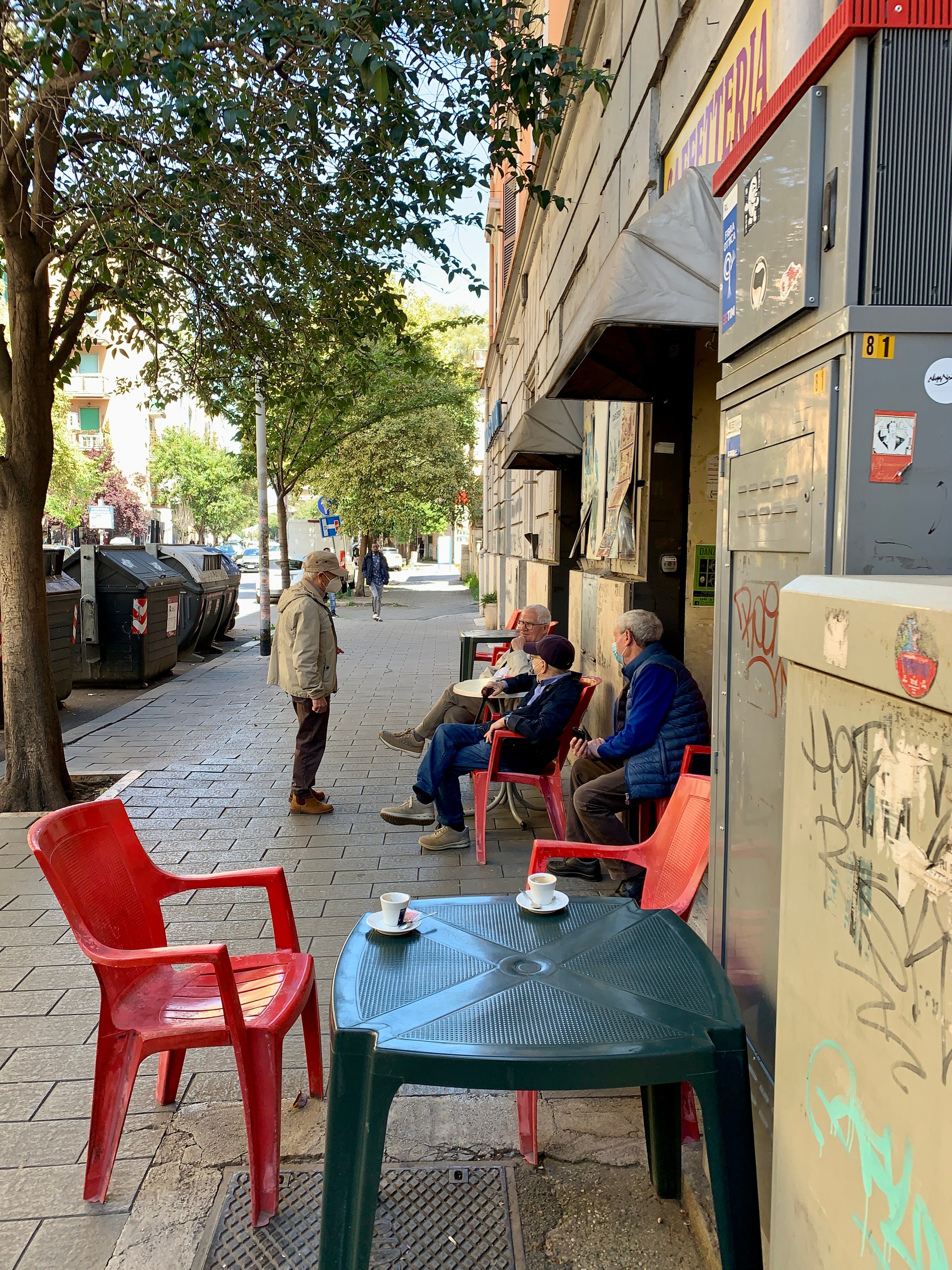
Last spring Mark and I spent a week in a completely different neighborhood from our well known one. A neighborhood that most visitors probably won’t visit. And you know what? This is important. That’s ok. I feel like there can be a lot of pressure to see the authentic Rome. What does that even mean? Do you have to travel an hour on the bus to some restaurant because someone says it’s the only way to really understand Roman cuisine? That’s completely up to you! The important thing is it is your vacation. It is your time in Rome. You get to decide where to go. Now that I am off that soapbox let me tell you about Pigneto and Tor Pignattara.1
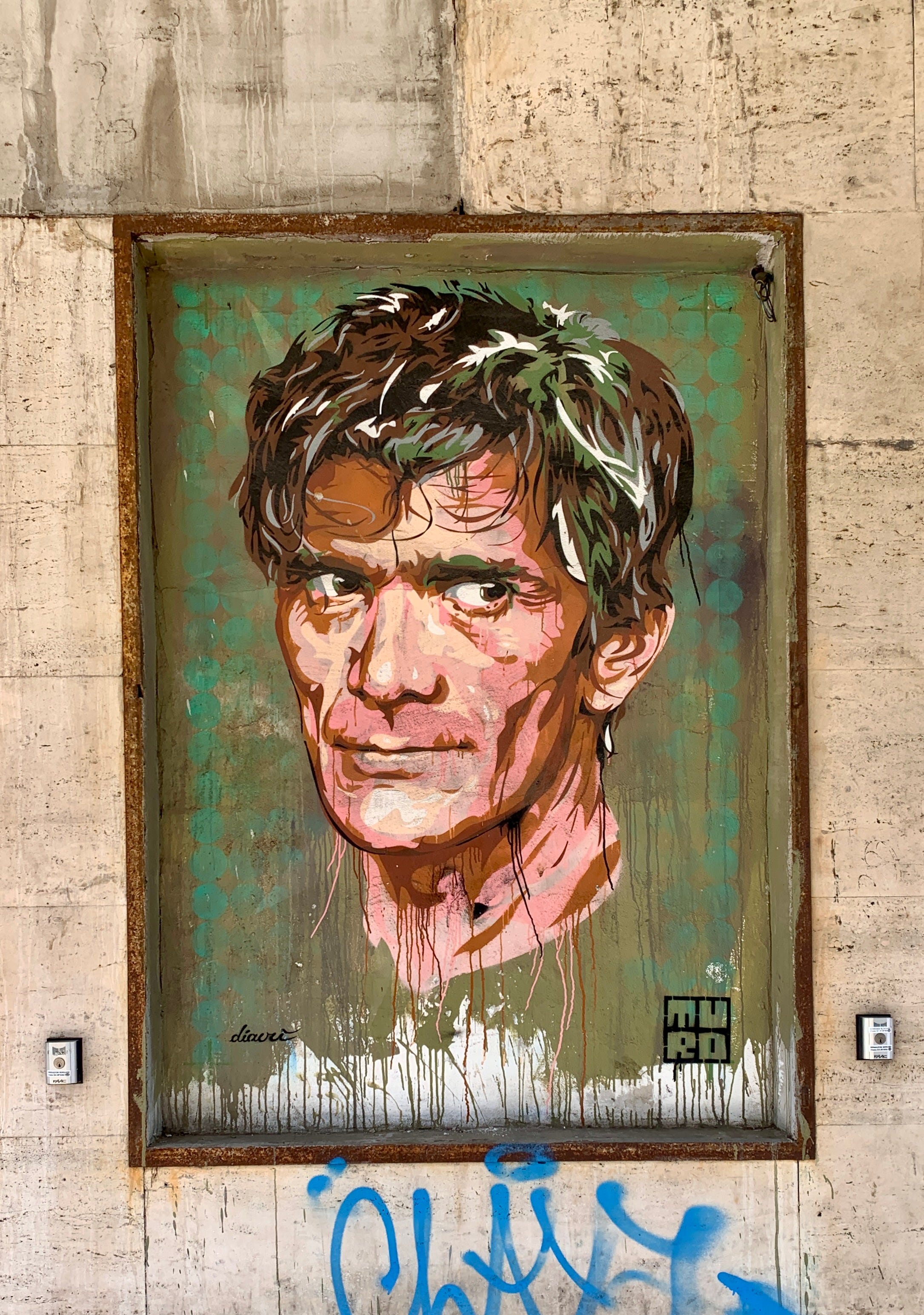
«La corona di spine che cinge la città di Dio»
Pier Paolo Pasolini
What we call Pigneto (the name comes from a row of pine trees planted in front of the Villa Serventi) is made up of separate parts of two different quartieri; Prenestino-Labicano and Tiburtino. Imagine a triangle that starts at Porta Maggiore and fans out along the Via Prenestina, the Via Casilina and the Via di Acqua Bullicante. For centuries this area, well outside of Rome’s center, was all fields and farms with the occasional villa and aqueduct (And underneath it all, a hypogeum and catacombs!) It became a working-class neighborhood in the late 1800s with the establishment of the Italian republic. In WWII This part of Rome was heavily bombed in part because of the SNIA Viscosa factory that was producing military uniforms and supplies for the Fascist regime (Today the area is called Lake ex SNIA - Viscose and residents are trying to create a public park. ) and in part because it was a center of the Anti Fascist Resistance movement. Pigneto became the neighborhood you see today between WWI and WWII. Now it is home to both Romans who have lived there for generations and newly arrived immigrants.
Pigneto is where you can find some of Rome's best street art and nightlife. Much of it is centered around the pedestrian area known as the Isola.